-
 play_arrow
Live #1 for Electronic Music
-
play_arrow
live2 #1 for Electronic Music
volume_up


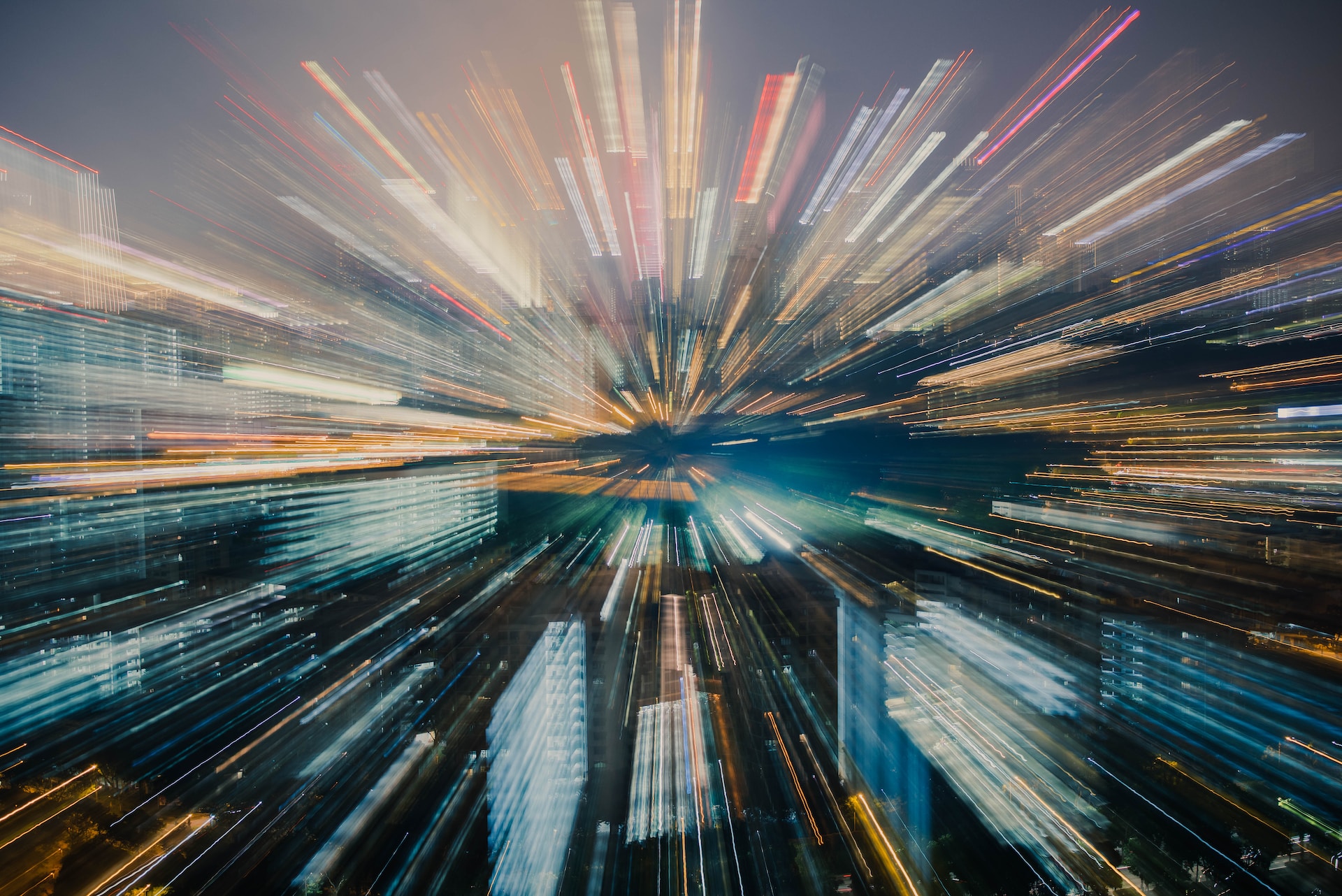
What Is Trance Music?
Trance music is a style of electronic dance music known for melodic build-ups, hypnotic rhythms, emotional breakdowns and euphoric climaxes. Emerging in Europe in the early 1990s, trance developed from techno, house and other electronic styles before growing into a worldwide scene with dedicated artists, festivals, labels and radio shows.
Today, trance ranges from uplifting and vocal trance to progressive, tech trance and psytrance. While the sound has evolved, the genre remains built around atmosphere, melody, energy and the feeling of being carried through a musical journey.
Where Did Trance Music Come From?
Modern trance took shape during the early 1990s, particularly in Germany and other parts of Europe. Early electronic pioneers and the rapidly developing club culture helped create the foundation for a sound built around repetition, long-form arrangements and gradually evolving melodic ideas.
As the genre grew, artists including Paul van Dyk, Armin van Buuren, Ferry Corsten and Tiësto helped bring trance to a much larger international audience. By the late 1990s and early 2000s, trance had become one of the most recognizable styles in global electronic dance music.
What Does Trance Music Sound Like?
Trance is commonly associated with steady four-on-the-floor rhythms, layered synthesizers, arpeggios, atmospheric pads and extended arrangements. Tracks often build gradually toward a breakdown before returning with a stronger melodic or rhythmic peak.
The emotional range can be broad. Some trance is bright and euphoric, while other styles are darker, deeper, more progressive or more driving. The common thread is progression: trance is designed to develop over time rather than simply repeat a short musical idea.
Main Styles of Trance
Uplifting trance emphasizes emotional melodies, large breakdowns and energetic climaxes. Progressive trance tends to build more gradually with deeper grooves and restrained arrangements. Vocal trance combines trance production with prominent sung vocals, while tech trance brings a harder, more percussive sound. Psytrance uses faster rhythms, psychedelic sound design and tightly layered production.
Trance Radio and the Global Community
Trance radio has played an important role in keeping the genre connected across countries and generations. Radio shows introduce listeners to new releases, established artists, emerging producers, guest mixes and different styles within the scene.
AH.FM has been part of that culture for two decades, broadcasting electronic music and artist-led radio shows to listeners around the world. To hear trance live, visit AH.FM Trance & EDM Radio, check the AH.FM Shows Schedule, or listen live.
Why Trance Music Still Matters
Trance has continued to evolve because it works both as club music and as an emotional listening experience. Its combination of melody, tension, release and long-form progression gives the genre a distinctive identity that continues to attract both long-time fans and new listeners.
Major events such as A State of Trance and Dreamstate, alongside clubs, festivals, labels and radio platforms, continue to support a global community around the sound. Trance remains one of electronic music’s most recognizable and enduring genres.
Similar posts


Random Show
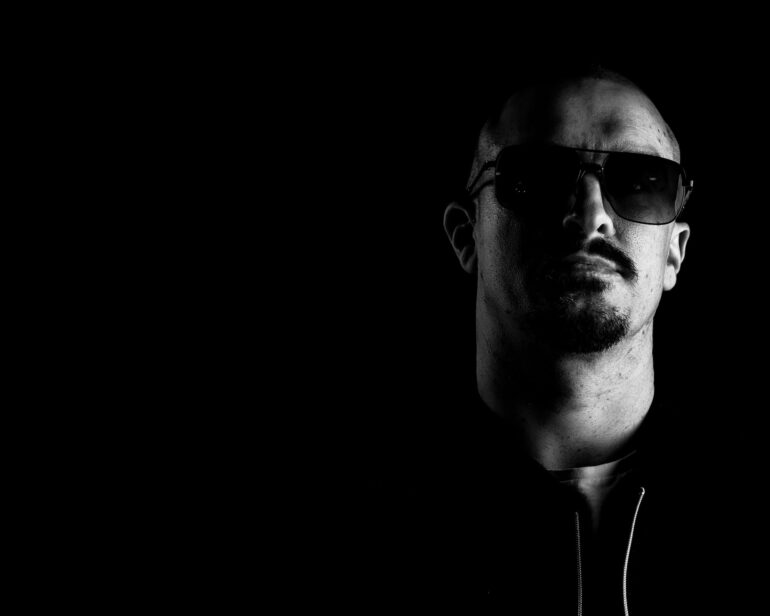
Luvstruck – Luminate
Show airs 1st Mondays
Welcome to Luvstruck Records Presents, hosted by Luvstruck. Join me once on the first monday of each month for a journey through the best in trance music, featuring uplifting melodies, driving beats, timeless classics, and the latest releases from across the global trance scene. Tune in and lose yourself in the music
closeTop popular